
Introduction about global Payments
Global Card Solutions: The Future of Digital Payments in 2026 refer to the movement of money between individuals, businesses, financial institutions, and governments across domestic and international markets. These transactions form the backbone of the global economy, enabling trade, e-commerce, remittances, investments, and digital commerce. The global payments ecosystem includes traditional banking systems, card networks, digital wallets, fintech platforms, real-time payment systems, and emerging blockchain-based solutions.
What Are Global Card Solutions?
Global card Solutions involve transferring funds from one entity to another using various payment methods and infrastructures. These transactions can be:
- Domestic Payments – Payments made within the same country.
- Cross-Border Payments – Payments made between parties in different countries.
- Business-to-Business (B2B) – Transactions between companies.
- Business-to-Consumer (B2C) – Merchant payments to customers.
- Peer-to-Peer (P2P) – Transfers between individuals.
- Government Payments – Tax refunds, subsidies, and public sector transfers.
Understanding Global Card Solutions
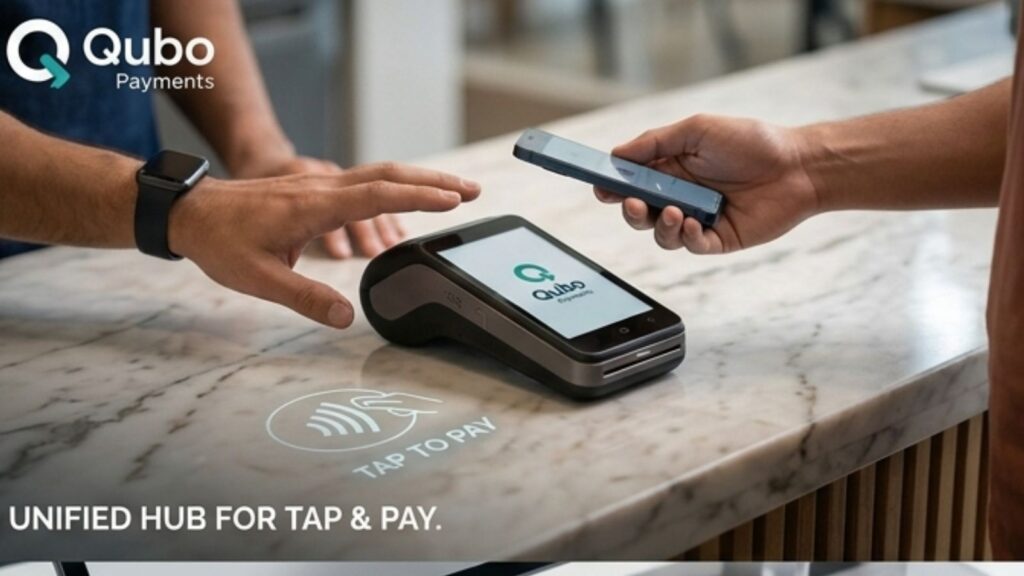
Global card solutions involve transferring money electronically or digitally between two or more parties. The payment may happen:
Domestic Payments (Digital Payments Within the Same Country)
Domestic payments are financial transactions where both the sender and receiver are located in the same country and the payment is processed using that country’s banking and payment infrastructure. These payments are usually completed in the local currency and follow national financial regulations.
Domestic payment systems are the foundation of a country’s economy because they support daily transactions between individuals, businesses, banks, and government institutions.
Cross-Border Payments (International Digital Payments)
Cross-border payments are financial transactions where the sender and receiver are located in different countries. These payments allow money to move internationally for trade, business, travel, remittances, investments, education, and online commerce.
Cross-border payments are one of the most important parts of the global financial system because they connect economies and enable international business operations.
Cross-border payments are especially important in international trade and global commerce, but they often involve multiple intermediaries, currency conversions, compliance checks, and settlement systems.
Evolution of Global Card Solutions
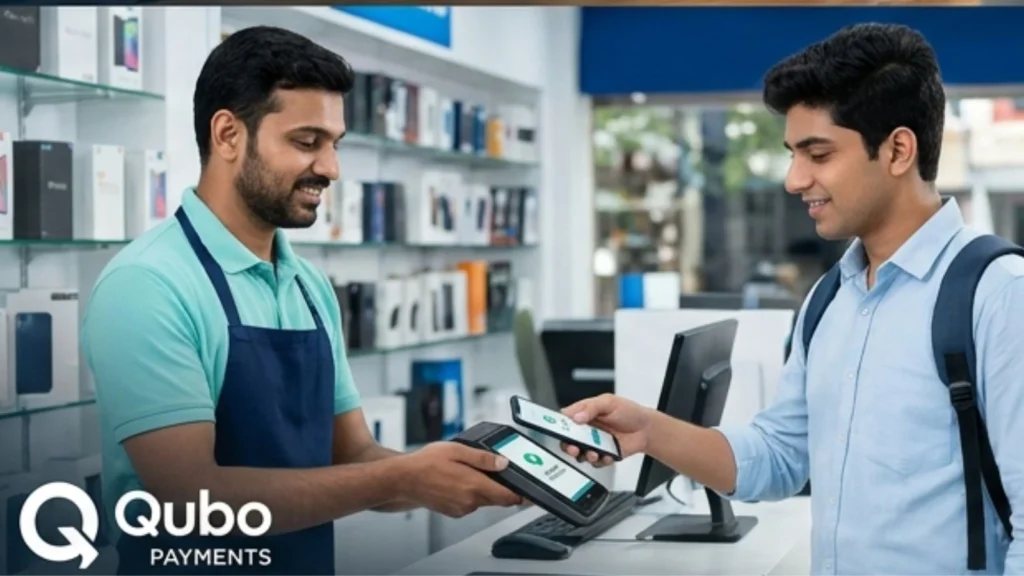
The payments industry has evolved significantly over the last few decades:
1. Traditional Banking Era
The Traditional Banking Era refers to the early and long-established phase of the global payments industry where banks were the primary institutions responsible for transferring money domestically and internationally. During this period, payment systems relied heavily on physical banking infrastructure, paper-based documentation, correspondent banking relationships, and centralized financial institutions.
This era laid the foundation for modern digital payment systems and international financial networks.
2. Card Network Expansion
The Card Network Expansion era represents a major transformation in the global payments industry where payment cards such as credit cards, debit cards, and prepaid cards became widely accepted across countries. During this phase, international card networks created a global electronic payment infrastructure that allowed consumers and businesses to make secure, fast, and cashless transactions worldwide.
This era significantly reduced dependence on cash and paper-based banking systems and became one of the key foundations of the modern digital economy.
3. Digital Payment Revolution
The Digital Payment Revolution refers to the transformation of the global financial system from traditional cash-based and card-based transactions to fast, internet-powered, mobile-first, and technology-driven payment methods. This revolution changed how people, businesses, and governments send, receive, and manage money.
Digital payments became one of the most important innovations in the financial industry because they made transactions:
- Faster
- Easier
- Safer
- More accessible
- More convenient
The rise of smartphones, internet connectivity, fintech companies, cloud computing, APIs, and real-time payment systems accelerated this transformation globally.
4. Real-Time Payments Era
The Real-Time Payments (RTP) Era represents one of the biggest advancements in the modern financial system. In this era, payment systems evolved from delayed settlement methods to instant money transfers that occur within seconds, 24/7, including weekends and holidays.
Real-time payments transformed how individuals, businesses, banks, governments, and merchants transfer money by making transactions:
- Instant
- Always available
- Mobile-friendly
- Low-cost
- Highly efficient
This era became a major milestone in the digital transformation of global payments.
5. Blockchain and Stablecoins
Blockchain and stablecoins represent one of the newest and most innovative phases in the evolution of global payments. These technologies aim to make financial transactions:
- Faster
- Cheaper
- More transparent
- More secure
- More efficient
Traditional cross-border payment systems often involve:
- Multiple intermediary banks
- High transaction fees
- Slow settlement times
- Complex compliance procedures
Blockchain technology and stablecoins are being developed to solve many of these challenges and modernize the global financial infrastructure.
Major Components of the Global Card Solutions Ecosystem
The Global card solutions ecosystem is a vast network of financial institutions, technologies, regulations, and service providers that enable money to move securely across the world. It supports transactions between individuals, businesses, banks, and governments through digital and traditional payment methods
1. Consumers and Merchants
These are the primary participants in the payment ecosystem.
- Consumers: Individuals making payments for goods and services.
- Merchants: Businesses accepting payments online or offline.
Examples include:
- E-commerce stores
- Retail shops
- Subscription platforms
- Mobile apps
Consumers initiate transactions, while merchants receive funds through payment systems.
2. Issuing Banks
An issuing bank provides payment cards or accounts to customers.
Functions:
- Issues debit cards, credit cards, and prepaid cards
- Verifies customer identity
- Approves or declines transactions
- Manages customer accounts and balances
Examples:
- JPMorgan Chase
- HDFC Bank
- Mitsubishi UFJ Financial Group
3. Acquiring Banks (Merchant Banks)
Acquiring banks help merchants accept digital payments.
Functions:
- Processes card transactions
- Settles funds into merchant accounts
- Provides payment terminals and merchant services
They act as the bridge between merchants and card networks.
Examples:
- Barclays
- ICICI Bank
4. Payment Gateways
Payment gateways securely transmit payment information between customers, merchants, and banks.
Functions:
- Encrypt transaction data
- Authenticate payments
- Detect fraud
- Enable online checkout
Popular gateways:
- PayPal
- Stripe
- Razorpay
5. Payment Processors
Payment processors manage the technical side of payment transactions.
Functions:
- Route payment data
- Communicate with card networks
- Process authorization requests
- Handle settlements
Examples:
- Fiserv
- Adyen
- Worldpay
6. Card Networks / Card Schemes
Card networks connect issuing banks and acquiring banks.
Functions:
- Set transaction rules
- Facilitate authorization and settlement
- Ensure interoperability worldwide
Major networks:
- Visa
- Mastercard
- American Express
- UnionPay
7. Digital Wallets
Digital wallets store payment credentials electronically.
Functions:
- Enable contactless payments
- Store cards and banking details
- Support peer-to-peer transfers
Examples:
- Apple
- Paytm
8. Real-Time Payment Systems
These systems allow instant transfer of funds between bank accounts.
Features:
- 24/7 transfers
- Immediate settlement
- Low transaction costs
Examples:
- National Payments Corporation of India — UPI
- SWIFT
- Faster Payments (UK)
- FedNow (USA)
9. FinTech Companies
FinTech firms innovate and simplify financial services.
Services include:
- Buy Now Pay Later (BNPL)
- Cross-border payments
- Embedded finance
- Crypto payments
- API banking
Examples:
- Wise
- Revolut
- Klarna
10. Regulatory Bodies and Compliance Systems
Governments and regulators ensure payment security and financial stability.
Responsibilities:
- Prevent fraud and money laundering
- Enforce KYC/AML regulations
- Protect consumer data
- Monitor payment institutions
Examples:
- Reserve Bank of India
- European Central Bank
- Financial Action Task Force
11. Fraud Prevention and Cybersecurity Providers
These systems protect digital transactions from fraud and cyber threats.
Technologies used:
- AI fraud detection
- Tokenization
- Biometric authentication
- 3D Secure
- Encryption
Examples:
- Forter
- Signifyd
12. Cross-Border Payment Infrastructure
Supports international transactions and currency conversion.
Key Features:
- Foreign exchange (FX)
- International remittance
- Multi-currency settlement
Examples:
- Western Union
- MoneyGram
Simplified Payment Flow
- Customer initiates payment
- Merchant sends request to payment gateway
- Gateway forwards request to processor
- Processor contacts card network
- Card network contacts issuing bank
- Issuer approves or declines transaction
- Approval returns to merchant
- Settlement transfers funds to merchant account
Emerging Trends in the Global Card Solutions Ecosystem
Digital Transformation
- Contactless payments
- QR-based payments
- Mobile-first banking
Artificial Intelligence
- Fraud detection
- Smart transaction routing
- Personalized financial services
Blockchain and Crypto
- Decentralized finance (DeFi)
- Stablecoins
- Faster global settlements
Examples:
- Bitcoin
- Ethereum
Embedded Finance
Payments integrated directly into apps and platforms.
Example:
- Ride-sharing apps
- E-commerce checkout financing
- In-app wallets
Importance of Global Card Solutions
The payments industry has become one of the most valuable sectors in financial services, generating trillions of dollars in transaction value globally.
Global card solutions are critical because they:
Enable international trade and commerce
Global card solutions play a critical role in enabling international trade and commerce by allowing businesses, governments, and consumers in different countries to exchange money securely and efficiently. Without global payment systems, international buying and selling of goods and services would be extremely difficult.
Modern global payment infrastructure connects economies worldwide and supports the smooth movement of money across borders, making global trade possible.
Support global e-commerce businesses
One of the most important roles of global payment systems is enabling and supporting global card solutions for e-commerce businesses—companies that sell products or services online across different countries.
Without global payments, platforms like Amazon, Alibaba, Shopify stores, and millions of independent online businesses would not be able to operate internationally.
Facilitate worker remittances
To facilitate worker remittances means enabling migrant workers to send money easily, safely, and quickly from the country where they work to their home country using global payment systems.
Global card solutions act as the “bridge” that connects salaries earned abroad with families living in another country.
Promote financial inclusion
Financial inclusion means ensuring that individuals and businesses—especially those in low-income, rural, or underserved areas—have access to useful and affordable financial services like payments, savings, credit, and insurance.
When we say global card solutions systems “promote financial inclusion,” it means they help bring more people into the formal financial system using digital, low-cost, and accessible payment technologies.
Improve economic growth
When we say global card solutions improve economic growth, it means they directly help countries, businesses, and individuals generate more income, increase trade activity, and strengthen overall financial systems.
Global payment systems act like the “circulatory system” of the global economy—moving money quickly and efficiently so economic activity can happen without delays.
Support digital transformation worldwide
Global payments play a major role in supporting digital transformation worldwide, meaning the shift of economies, businesses, and governments from traditional physical systems to digital, technology-driven systems.
In simple terms, global payment systems act as a core engine of digital economies, enabling everything from mobile banking to e-commerce and fintech innovation.
Key Trends in Global Card Solutions
The global payments industry is rapidly evolving due to digital transformation, fintech innovation, changing consumer behavior, and advancements in artificial intelligence. Businesses, banks, and payment providers are focusing on faster, safer, and more seamless payment experiences worldwide.
1. Rise of Digital Payments
Cash usage is declining globally as consumers shift toward digital payment methods.
Major drivers:
- Smartphones and internet penetration
- E-commerce growth
- Contactless technology
- QR-code payments
Popular examples:
- PayPal
- Apple
- Paytm
Non-cash transactions continue to grow rapidly across all major regions worldwide. (Capgemini)
2. Real-Time Payments (RTP)
Consumers and businesses increasingly expect instant money transfers.
Key Features:
- 24/7 availability
- Immediate settlement
- Faster business cash flow
- Lower transaction delays
Examples:
- National Payments Corporation of India — UPI
- FedNow (USA)
- Faster Payments (UK)
Real-time and borderless liquidity systems are becoming a major industry priority. (JPMorgan Chase)
3. Growth of Mobile Wallets
Mobile wallets are becoming central to global commerce.
Features:
- Tap-to-pay
- In-app payments
- Peer-to-peer transfers
- Loyalty integration
Industry reports suggest digital wallets may become the dominant payment interface over the next decade. (finera.com)
4. Artificial Intelligence in Payments
AI is transforming payment operations and customer experiences.
Applications:
- Fraud detection
- Risk analysis
- Smart payment routing
- Personalized financial services
- AI shopping agents
A major emerging trend is “agentic commerce,” where AI systems can independently assist or complete purchases. (Mastercard)
5. Embedded Finance
Financial services are increasingly integrated directly into apps and platforms.
Examples:
- Buy Now Pay Later (BNPL)
- In-app lending
- Embedded insurance
- Integrated checkout financing
Companies are embedding payments and banking services into everyday digital experiences. (Business Wire)
6. Expansion of Cross-Border Payments
Global businesses require faster and cheaper international transactions.
Key developments:
- Multi-currency wallets
- Real-time FX conversion
- Blockchain-based settlements
- Lower remittance costs
Examples:
- Wise
- Western Union
Cross-border payment infrastructure remains a major focus area for fintech innovation. (Reuters)
7. Stablecoins and Blockchain Adoption
Blockchain technology is entering mainstream payment systems.
Benefits:
- Faster settlements
- Reduced transaction costs
- Programmable payments
- Transparent recordkeeping
Examples:
- Bitcoin
- Ethereum
Stablecoins are increasingly viewed as practical tools for global settlements and B2B payments. (www.hoganlovells.com)
8. Contactless and QR Payments
Consumers prefer fast, touch-free transactions.
Popular technologies:
- NFC tap payments
- QR-code scanning
- Wearable payments
This trend accelerated significantly after the global pandemic and continues growing worldwide.
9. Open Banking and API Digital Payments
Banks are opening their systems through APIs to enable secure data sharing and direct bank payments.
Benefits:
- Better customer experiences
- Lower costs
- Faster innovation
- Account-to-account (A2A) payments
Open banking is driving the growth of A2A payment systems globally.
10. Enhanced Fraud Prevention and Cybersecurity
As digital payments increase, fraud prevention becomes more critical.
Key technologies:
- Biometric authentication
- Tokenization
- AI fraud monitoring
- Multi-factor authentication
- 3D Secure
Payment providers are heavily investing in cybersecurity infrastructure to build customer trust.
11. Buy Now, Pay Later (BNPL)
Flexible installment-based payment solutions are growing rapidly.
Benefits:
- Higher consumer affordability
- Increased merchant conversion rates
- Flexible repayment options
Major players:
- Klarna
- Affirm
12. Omnichannel Commerce
Businesses now provide unified payment experiences across:
- Physical stores
- Websites
- Mobile apps
- Social commerce platforms
Modern payment systems aim for seamless customer journeys across all channels. (Capgemini)
Emerging Future Trends
Machine-to-Machine Payments
IoT devices and AI systems may soon make autonomous payments without human intervention.
Central Bank Digital Currencies (CBDCs)
Governments worldwide are exploring digital versions of national currencies.
Biometric Payments
Fingerprint, facial recognition, and voice authentication are becoming more common.
Sustainable Payments
Payment companies are supporting environmentally conscious and low-carbon financial systems. (Mastercard)
Challenges in Global Card Solutions
The global digital payments industry is growing rapidly due to digital banking, e-commerce, mobile wallets, and cross-border trade. However, the ecosystem still faces several major challenges that affect businesses, financial institutions, governments, and consumers worldwide.
Despite rapid innovation, the industry faces several challenges:
- High transaction fees
- Currency conversion costs
- Compliance and regulatory complexity
- Fraud and cybersecurity risks
- Delayed settlement times
- Lack of interoperability between systems
Traditional cross-border payments can still take multiple days due to intermediary banking structures.
Future of Global Card Solutions
The future of global digital payments is expected to focus on:
- Faster real-time settlements
- AI-driven payment systems
- Embedded finance
- Central Bank Digital Currencies (CBDCs)
- Blockchain-based infrastructure
- Greater interoperability between countries
Industry experts predict increasing regional payment networks and digital currency adoption over the coming years.
Conclusion
Global payments are a crucial part of the modern financial system, connecting economies, businesses, and consumers worldwide. The industry is evolving rapidly due to fintech innovation, digital transformation, real-time payment systems, and blockchain technologies. As international commerce continues to grow, efficient, secure, and low-cost payment solutions will play a major role in shaping the future of the global economy.
The global payments ecosystem is a highly interconnected financial network involving banks, fintech companies, payment gateways, card networks, regulators, merchants, and consumers. As digital commerce grows worldwide, the ecosystem continues evolving toward faster, safer, and more seamless payment experiences.
The global payments industry is moving toward a future that is:
- Faster
- More digital
- AI-driven
- Borderless
- Secure
- Embedded into everyday experiences
Technologies such as real-time payments, AI, blockchain, mobile wallets, and embedded finance are reshaping how consumers and businesses exchange money globally.
Global payments are becoming faster, smarter, and more digital, but the industry still faces challenges related to security, regulation, infrastructure, fraud, and cross-border complexity. Future growth will depend on:
- Better international cooperation
- Strong cybersecurity
- Advanced technologies like AI and blockchain
- Financial inclusion initiatives
- Real-time global payment infrastructure